
Assigned Readings
Writing is one of humankind’s greatest achievements. I was recently captivated by the revelation that the first known person to sign her name to a written poem was the Akkadian High Priestess Enheduanna in 2300BCE. As a child, I watched my grandmother writing in her journal and my mother writing lesson plans to use in teaching her fourth-grade class. My mother also occasionally wrote poems. I grew up thinking that writing was something people do—maybe when they are older than I was. But I was eager to learn to write. Not simply to translate oral speech into cursive lettering but to write essays and maybe even poems or the words to songs. That eagerness to write has never left me.
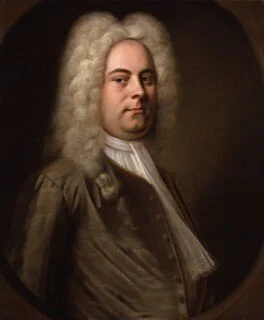
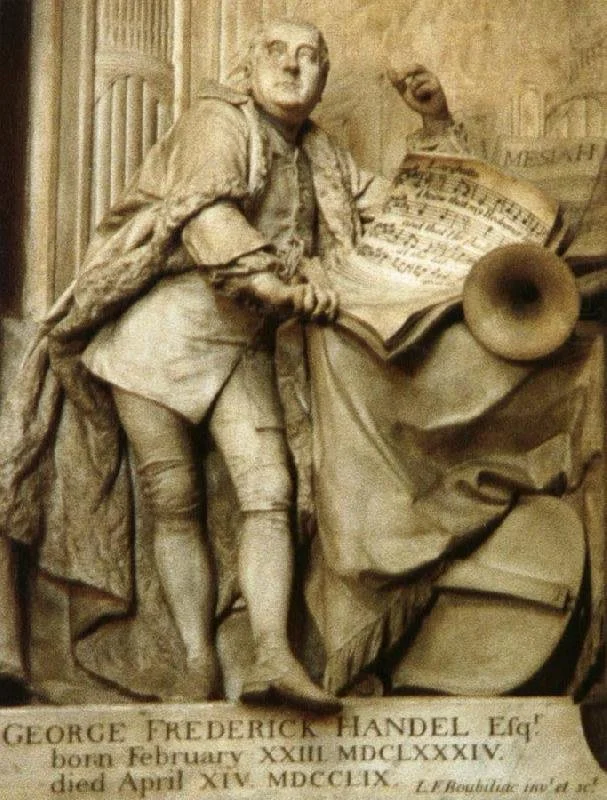
Below you will see more information on some of the writing I have done over the course of my life. Much of this writing was the kind of peer-reviewed academic writing expected of professors at a major university—books and articles published mostly for the benefit of other scholars in my field. Some are essays presented at scholarly meetings, and yet others are pieces of essentially creative writing. I found this more creative kind of writing especially enjoyable the older I became. For years I have enjoyed writing the tunes and words to songs, so it may come as no surprise that I was attracted to the prospect of writing about George Frideric Handel, the composer of Messiah and so many other wonderful oratorios and operas. People like Handel combine music and story in a way I have always found fascinating and especially telling as I have tried to understand what it means to be human, what we can gain from listening to the stories people choose to tell, draw, dance or sing.
If you want to know more about Enheduanna, here is a source:
https://www.worldhistory.org/Enheduanna/
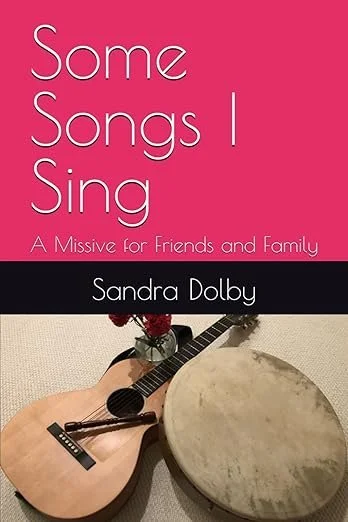
Some Songs I Sing: Missive for Friends and Family
This short book is a thumbnail sketch of my life-long attachment to music. It is selectively biographical, but the book is definitely not an autobiography. Instead, it is my reflection on the role music has played in my life and my way of thanking some of the many people who have made my relationship with music a source of great satisfaction for me. While music certainly does not define my life’s work by any means, it does throw light on something that is perhaps central to my character. And the book allows me to publish for the first time lyrics to some of the songs I have written. It is a book that celebrates my affection for music.
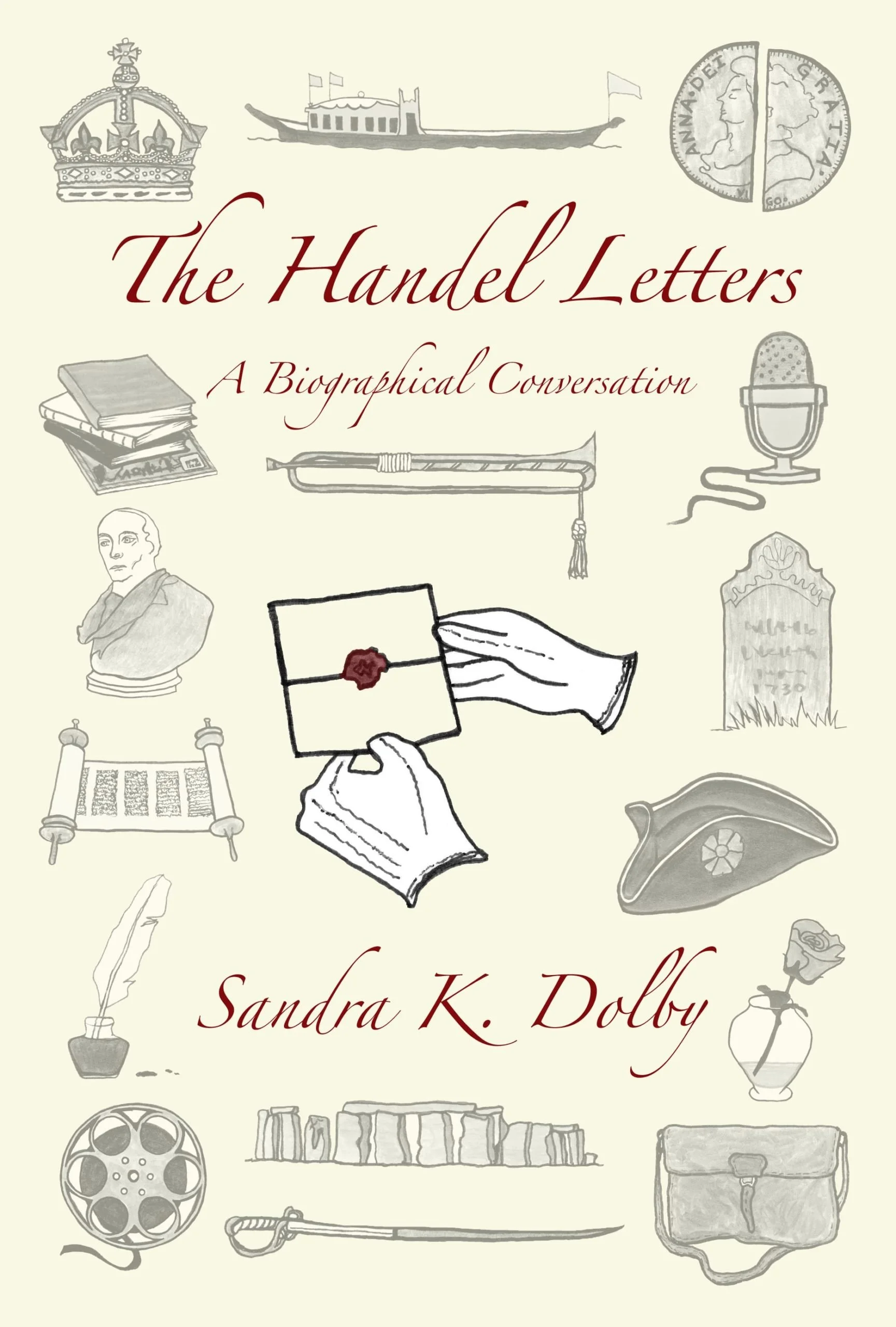
Now available as an Audiobook!
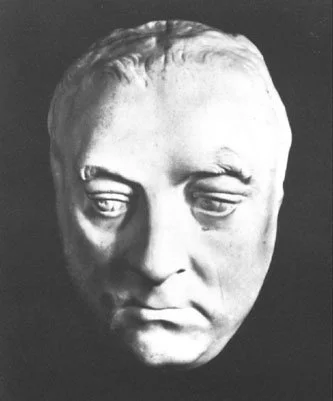
The Handel Letters: A Biographical Conversation
This audiobook reflects upon the life of composer George Frideric Handel as a group of friends discuss a cache of letters supposedly written to Handel during his lifetime. Wealthy American mining widow, Forella Wainwright, has her own unusual reason for seeking out any previously unknown information on the life of Handel and brings together a group of ten people who meet over many months to discuss the letters, Handel's life and music, and to consider what lessons they may hold for people today.
This work offers a biographical conversation--a hypothetical collective review of the life of George Frideric Handel, his music, his times, and a number of social and philosophical issues still trailing from his full yet enigmatic life. It adopts an ethnographic research perspective, consults a variety of published biographies and videos, and employs a fictional set of characters to examine some letters purportedly written to Handel during his lifetime. Wealthy American mining widow, Forella Wainwright, has her own unusual reason for seeking out any previously unknown information on the life of Handel and brings together a group of ten people who meet over many months to discuss the letters, Handel's life and music, and to consider what lessons they may hold for people today.
The Handel Letters: A Biographical Conversation
Read more about The Handel Letters in the Handel Seminar Continues
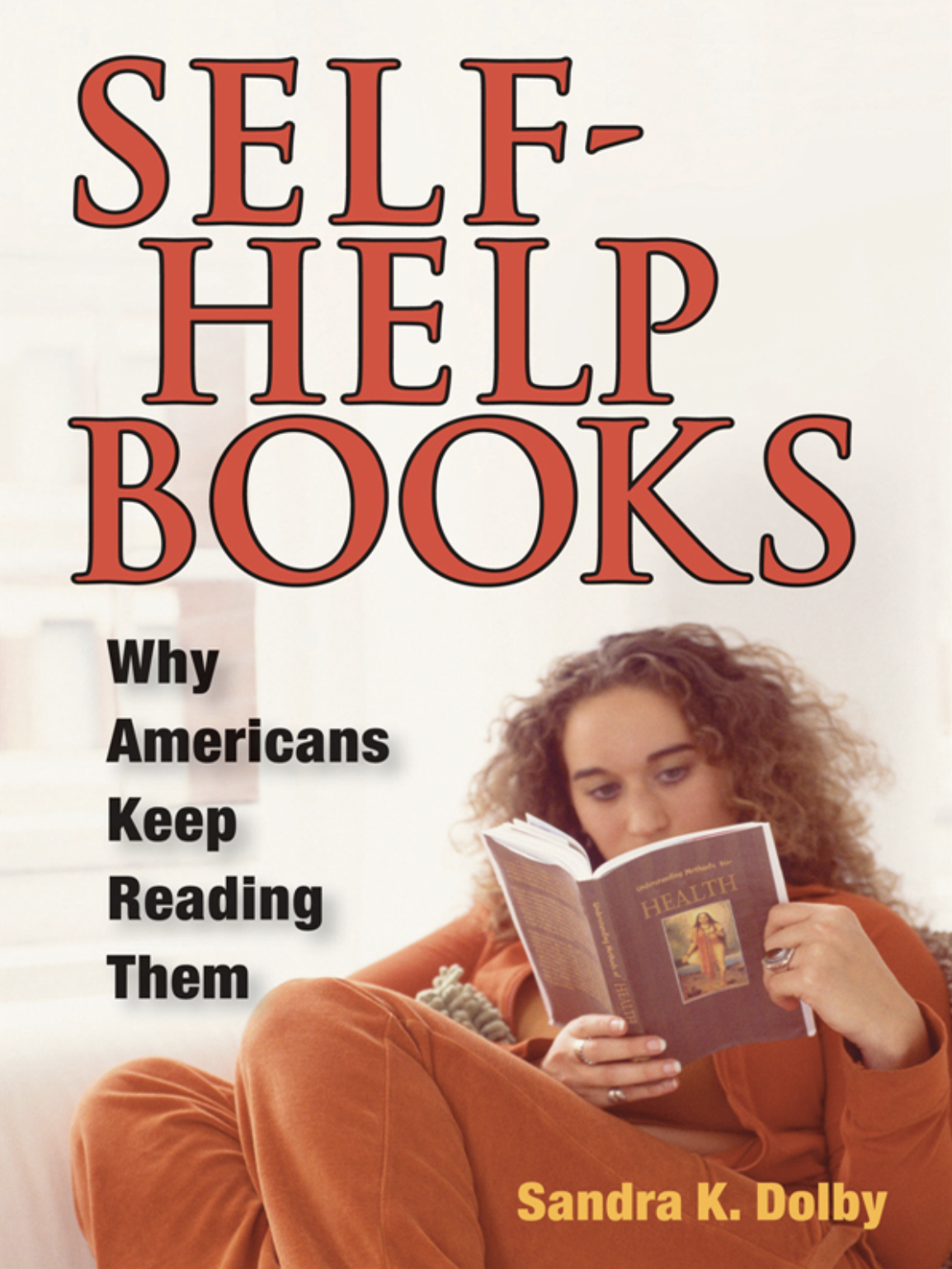
Self-Help Books: WHY AMERICANS KEEP READING THEM
Understanding instead of lamenting the popularity of self-help books
Based on a reading of more than three hundred self-help books, Sandra K. Dolby examines this remarkably popular genre to define "self-help" in a way that's compelling to academics and lay readers alike. Self-Help Books also offers an interpretation of why these books are so popular, arguing that they continue the well-established American penchant for self-education, they articulate problems of daily life and their supposed solutions, and that they present their content in a form and style that is accessible rather than arcane.
Using tools associated with folklore studies, Dolby then examines how the genre makes use of stories, aphorisms, and a worldview that is at once traditional and contemporary. The overarching premise of the study is that self-help books, much like fairy tales, take traditional materials, especially stories and ideas, and recast them into extended essays that people happily read, think about, try to apply, and then set aside when a new embodiment of the genre comes along.
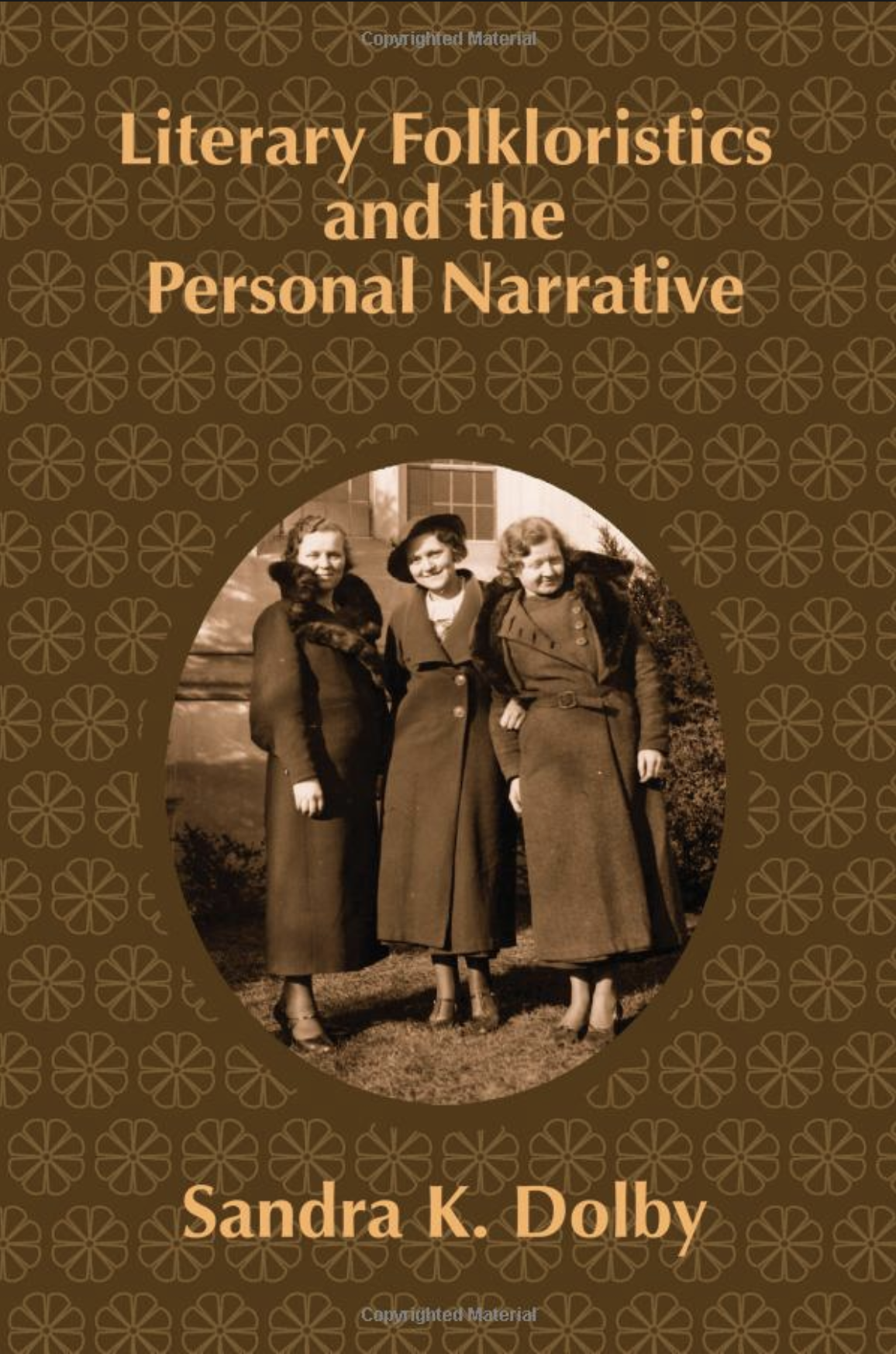
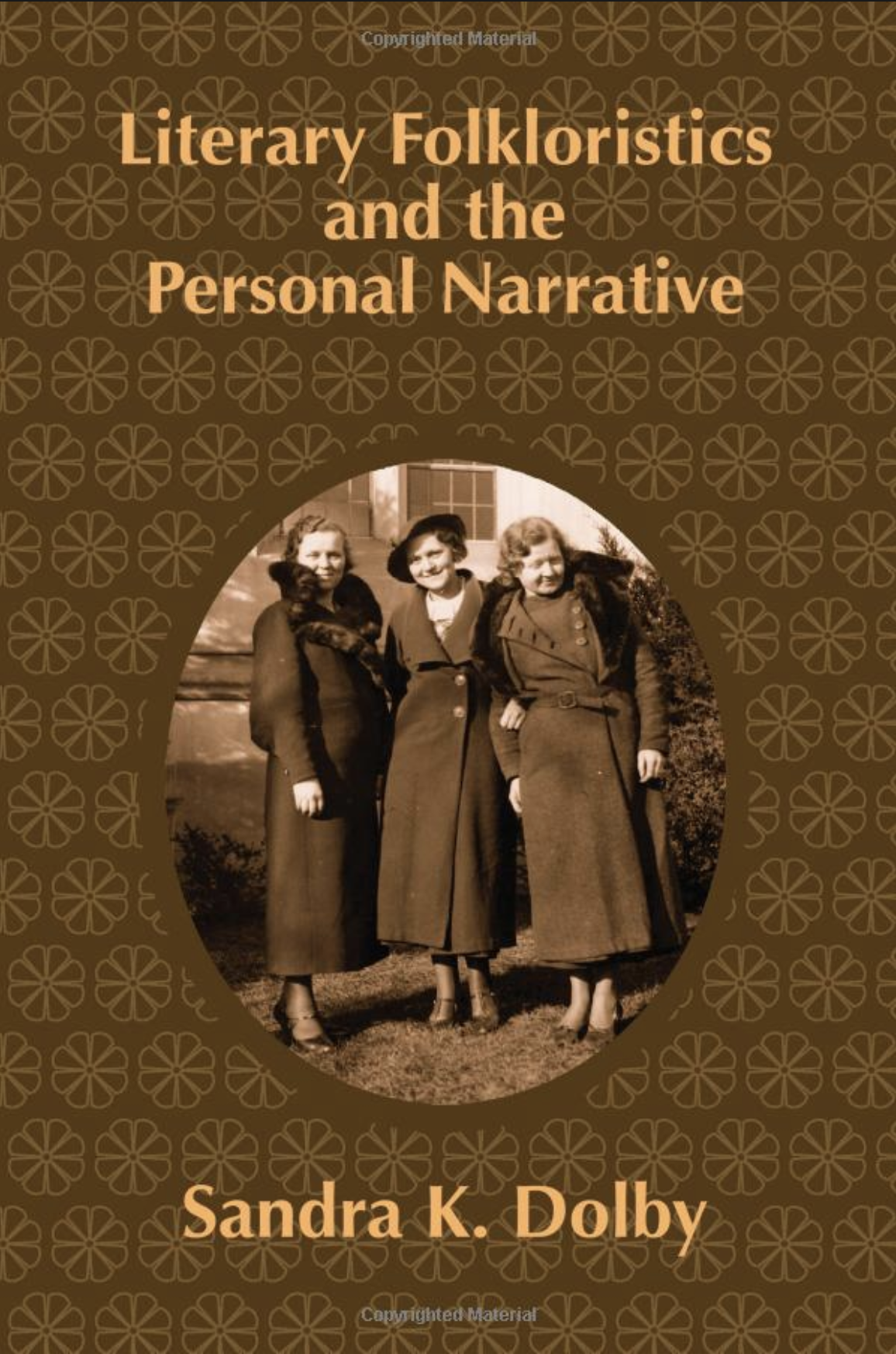
Literary Folkloristics And The Personal Narrative
From the advance praise for Literary Folkloristics and the Personal Narrative: "In less than twenty years after its publication Sandra Dolby's seminal work on Literary Folkloristics and the Personal Narrative has become a classic in folklore and narrative studies. In fact, no scholar or student can be engaged in the study of personal narratives without this ground-breaking work. Dolby's pioneering work has won international acclaim with its theoretical discussion of literary folkloristics, its detailed definition and analysis of the personal narrative as an oral literary genre, its methodology of interpreting personal narrative texts, and its analysis of actual texts. As such, this book has guided the advancement in personal narrative studies over the past two decades in scholarship worldwide..." --Wolfgang Mieder, Professor of German and Folklore, University of Vermont