
Teaching and Lecture Materials
Teaching has been a significant part of my professional life ever since I was twenty-three years old. People often speak of differences between teaching and being an educator. Teaching is clearly an important part of being an educator, but being an educator is not simply a matter of teaching. I found an interesting reflection on being an educator written by Ankita Singha for the 21K School in India. She noted that the main objectives of an educator are to provide learning and knowledge, to develop thinking skills, to encourage holistic development, to convey positive values and support, and to create lifelong learners. While I have spent most of my professional career as a teacher, I like to think of myself as an educator, even now that I am retired and certainly in many ways that do not involve my being in a classroom.
Nevertheless, as I spent more than thirty years as a professor, I necessarily created many materials that I researched, organized, and maintained for my own use in various settings. Most have something to do with folklore or music in one way or another. My own favorites included the materials associated with the large F101 Introduction to Folklore course, especially the guides that taught students how to do fieldwork or interview family members. At the graduate level, I taught a course on Folklore and Literature (F734) that reflected my own research interests and excitement about writings in my field. I like to think that many of these materials helped me serve students or listeners in the ways Ankita Singha noted above, as a means of supporting lifelong learners. Below I offer some of these teaching and lecture materials and welcome your use or adaptation of them for your own purposes or simply for your own learning pleasure.
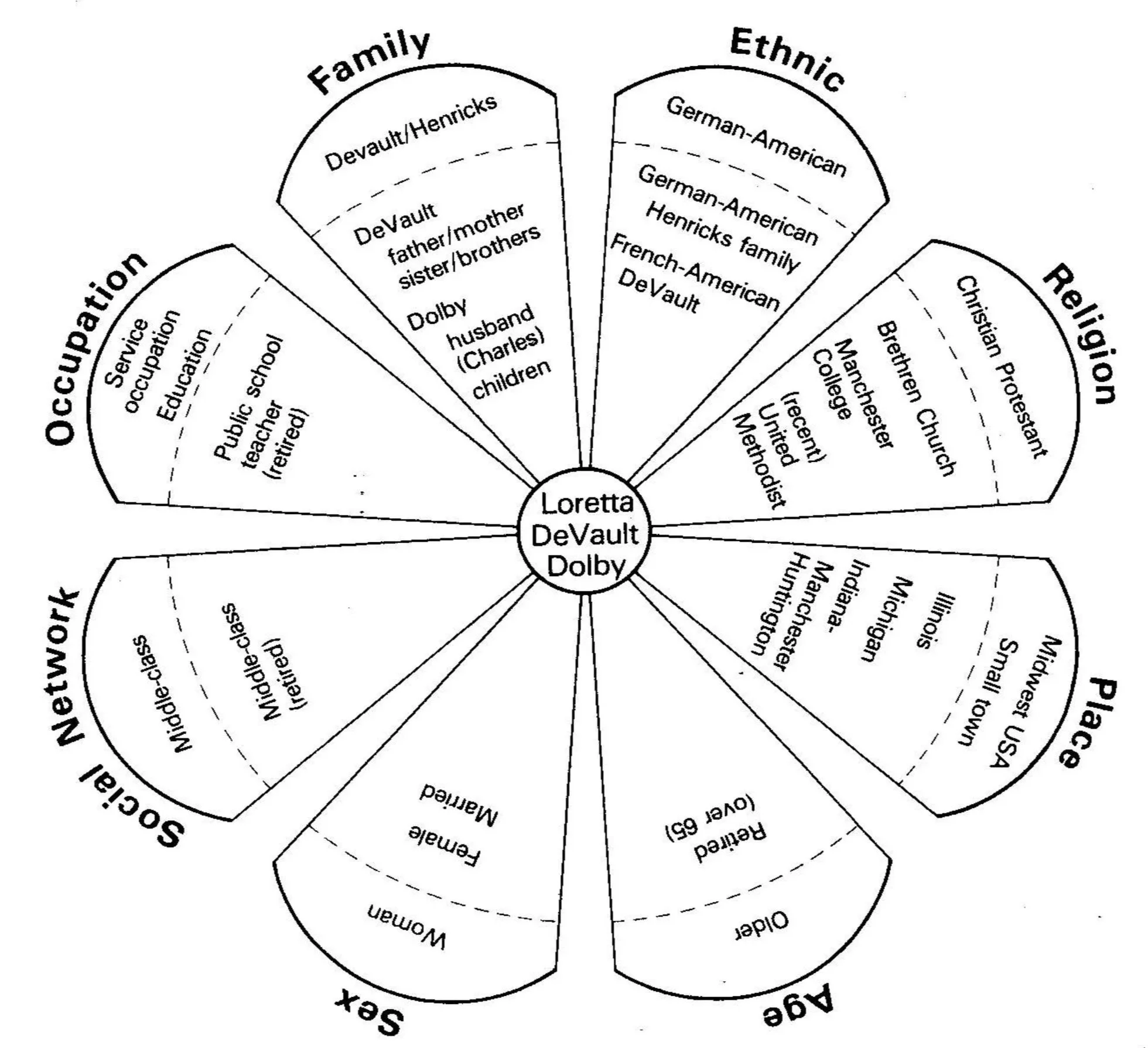
Sample Wheel Chart
This is an example based upon my mother. This is included in my book Literary Folkloristics And The Personal Narrative.
Teaching Folklore and Ethnomusicology
Guidance for Teaching Folklore and Ethnomusicology.
Legend background
Recurring pattern of narrative plot, e.g., those
suggested by titles in Vanishing Hitchhiker; also, see
Brunvand’s Encyclopedia of Urban Legends.
Introduction to Folklore
Folk Group and the Individual - Folklore and Creativity. Some relevant terms and concepts.
Koo-Nar--A Personal Narrative
Personal Narrative example.
Fieldworker’s guide
Learn how to engage directly and meaningfully in ethnographic research, record some examples of folklore from the repertoire of a single individual, apply the skills of classification, description, and analysis learned in class, and contribute to what we know about folklore and how people use it in their daily lives.

Terms and concepts from literary/folkloristic studies useful in analyzing folktales
Terms and concepts from literary/folkloristic studies useful in analyzing folktales including: Content, Style, Form, and Function.
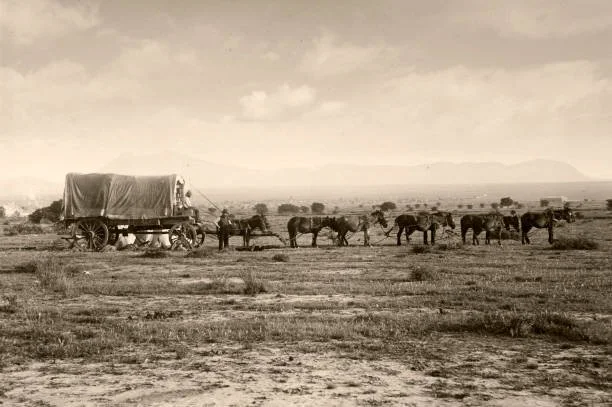
Conestoga Wagon Family Story
Then she raised all of her family then by herself. Never
remarried. I don’t know how she did it.
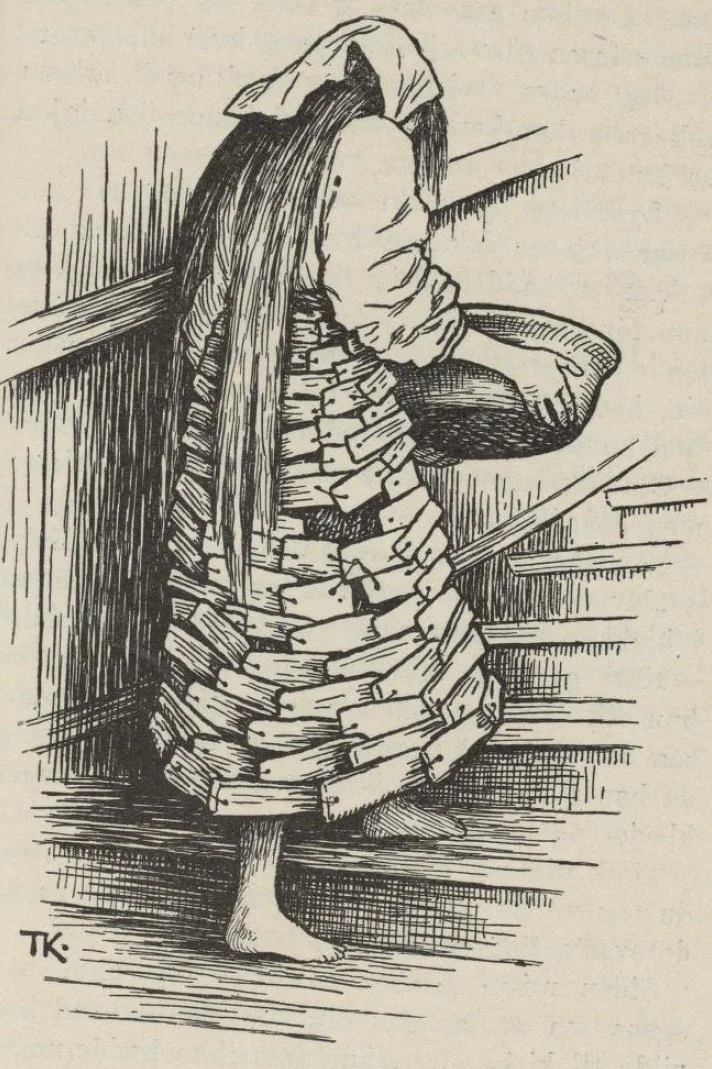
Comparing Katie Woodencloak & Cinderella
Worksheet comparing Katie Woodencloak & Cinderella.
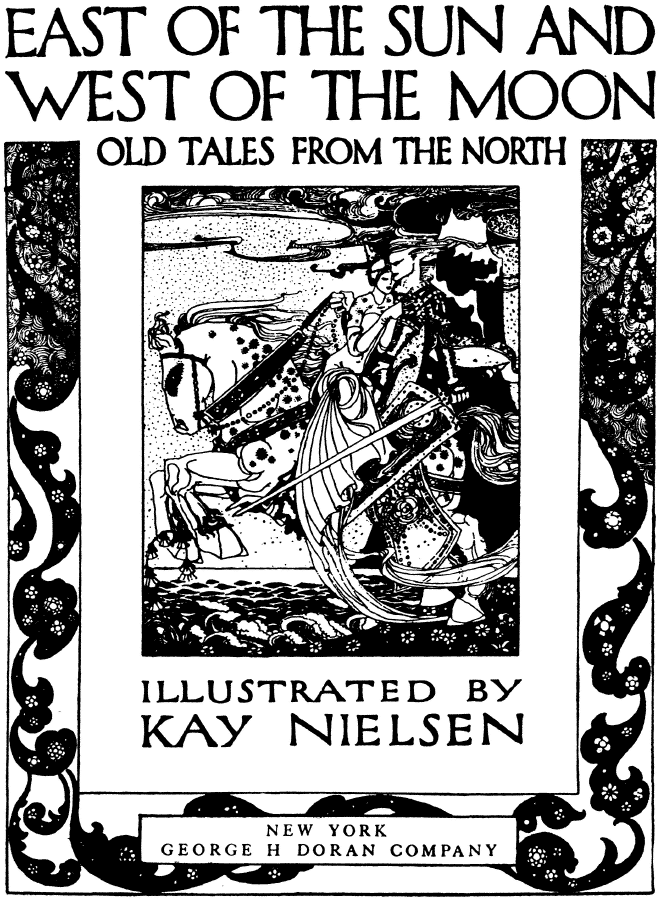
Comparing Beauty & Beast and East o' the Sun
Worksheet for comparing Comparing Beauty & Beast and East o' the Sun.
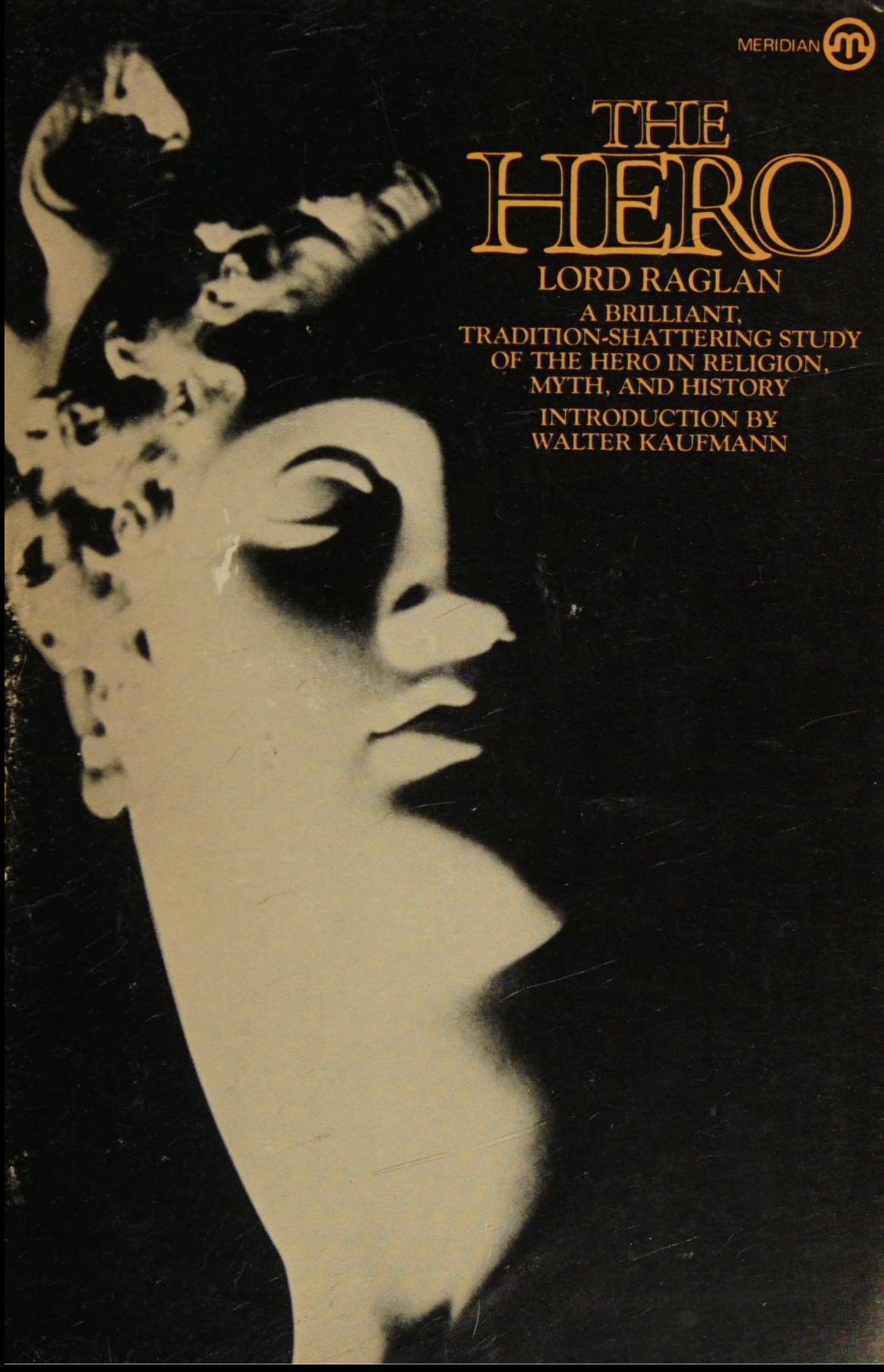
Biographical Pattern from Lord Raglan’s The Hero (1936)
Learn about the hero archetype through Lord Raglan’s The Hero.
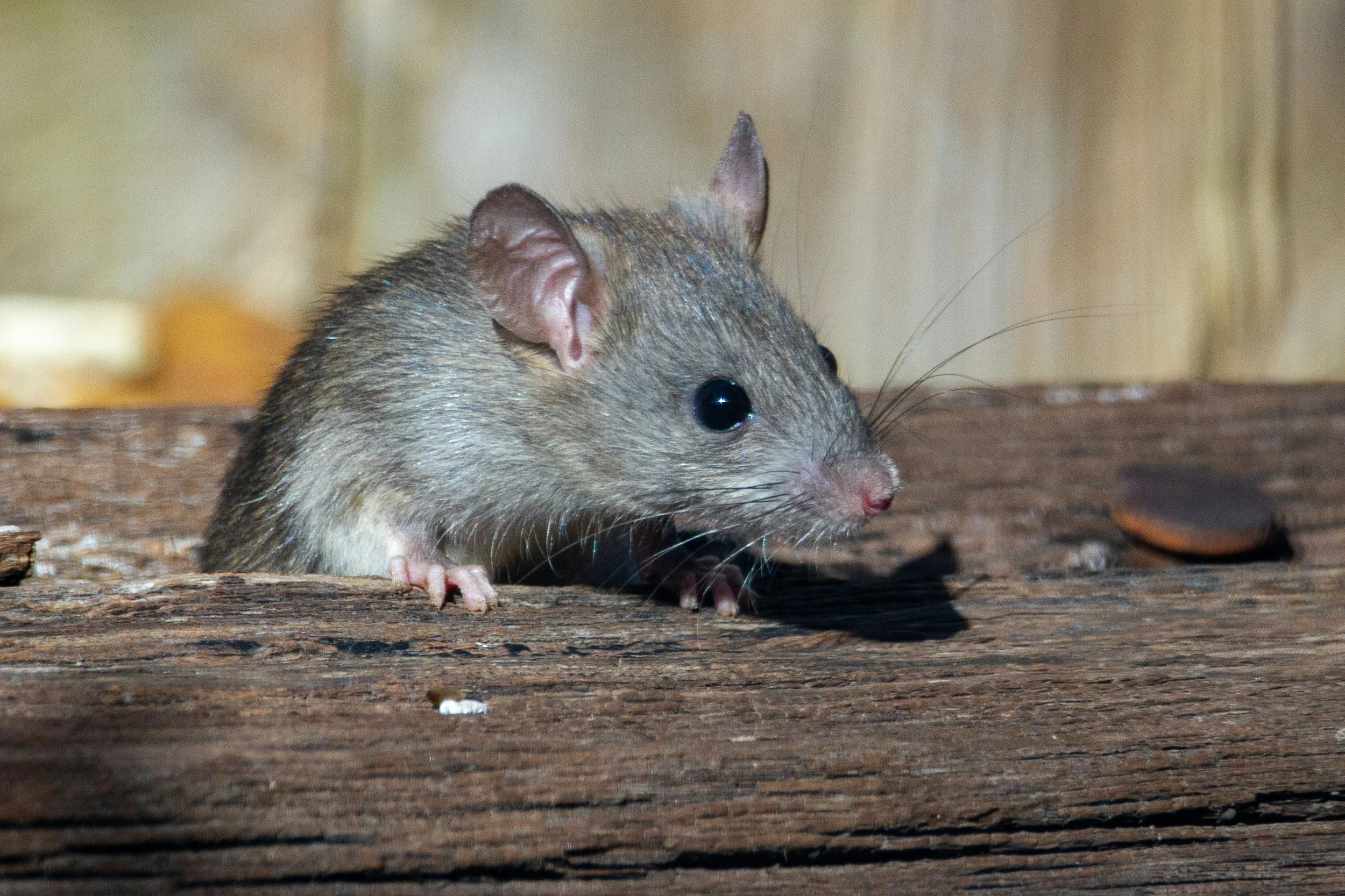
Documenting Field Work - Item Sample
“It’s a poor mouse that has only one mousehole.”