Musings & Margins
My grandmother kept a daybook, a small book for each year in which she wrote out her thoughts each day. She never showed them to anyone. I knew about them because she lived next door as I was growing up, and I often saw her writing in them. I have them now, hidden away in my attic. I keep them to remind myself that sometimes writing or creating things is really for yourself, your own way of cherishing your life and recognizing every life’s amazing bounty. Still, it can’t hurt to share those pieces of your life.
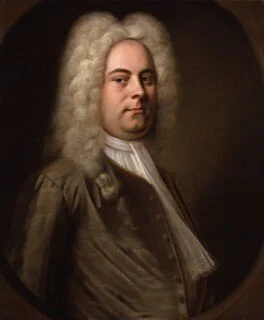
Handel's Birthday
February 23rd—is Handel’s birthday. Georg Friederich Händel was born in Halle, in Saxony (Central Germany) on February 23, 1685.
America's National Parks
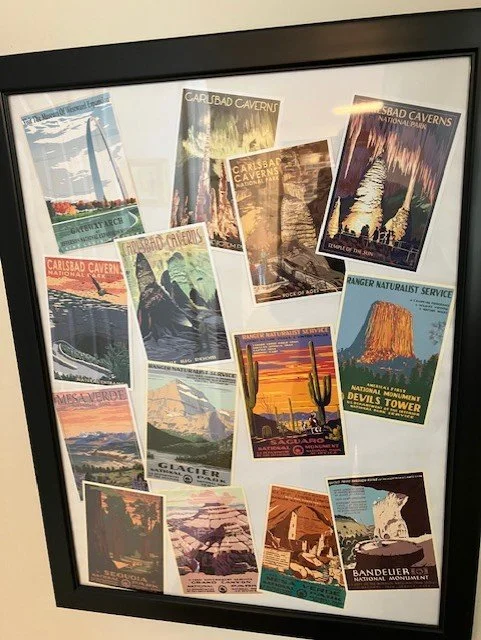
Ken Burns’ Nation Parks series, admits that “America’s national parks spring from an idea as radical as the Declaration of Independence: that the nation’s most magnificent and sacred places should be preserved, not for royalty or the rich, but for everyone.”
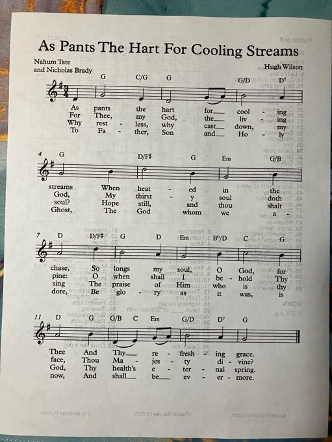
As Pants the Hart for Cooling Streams
I wrote out the opening tune as I remember her singing it. It is a little different than the melody I found in various hymnbooks.
What to do with old letters
Examples of hand-written letters are becoming very scarce in today’s world of electronic communication. Saving scanned copies of such letters is one option, though you may still need to find an archive of some sort that will store these electronic texts. But such scanned texts, perhaps in PDF form, could also be indexed with an eye for content relevant to local or institutional history—or even simply family records.
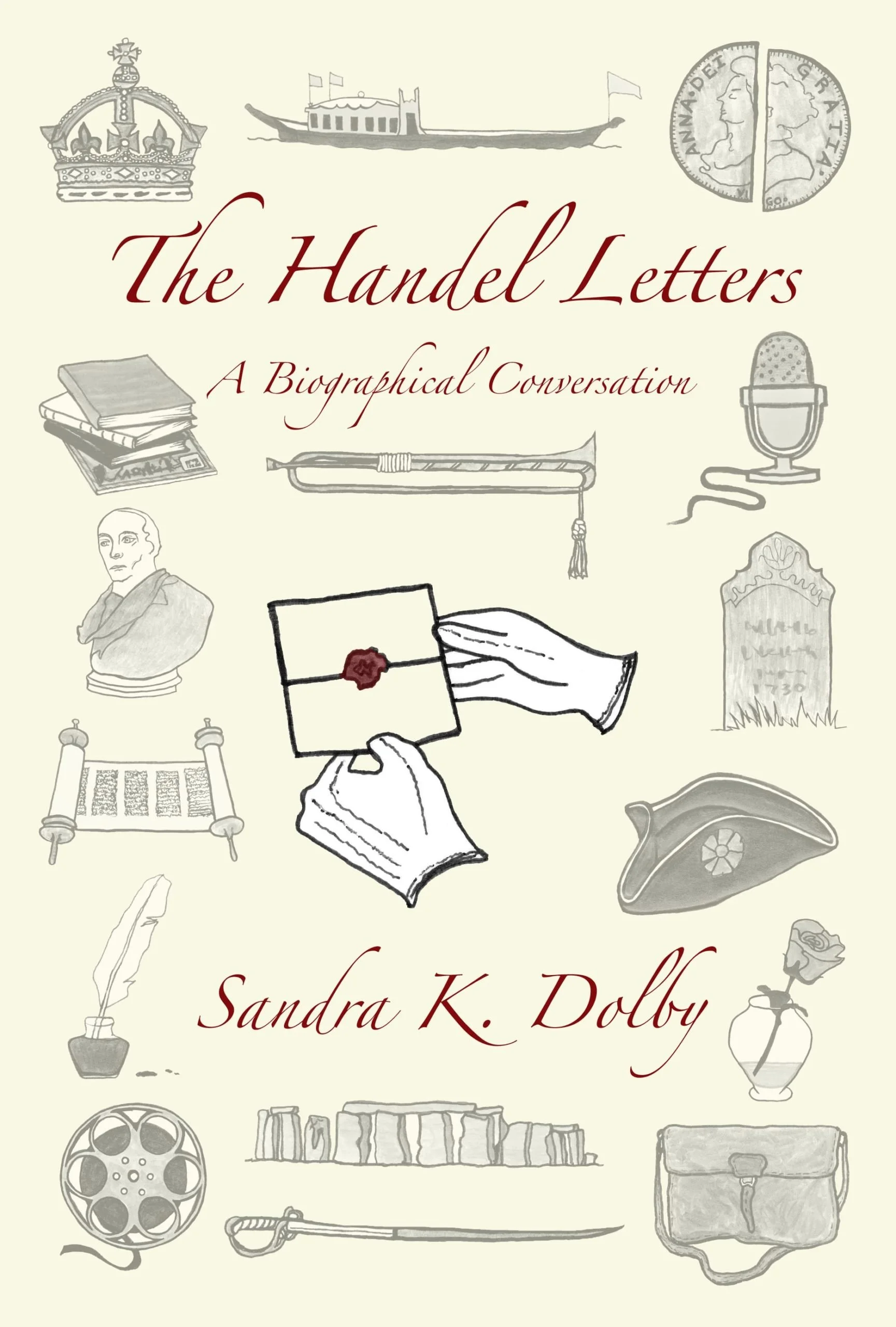
My aim is to expand upon some of the content and ideas in my book, The Handel Letters: A Biographical Conversation, and, hopefully, to stimulate thoughts and responses from you who read these short essays.
I will guess that the first thing you will notice about The Handel Letters: A Biographical Conversation is the cover.
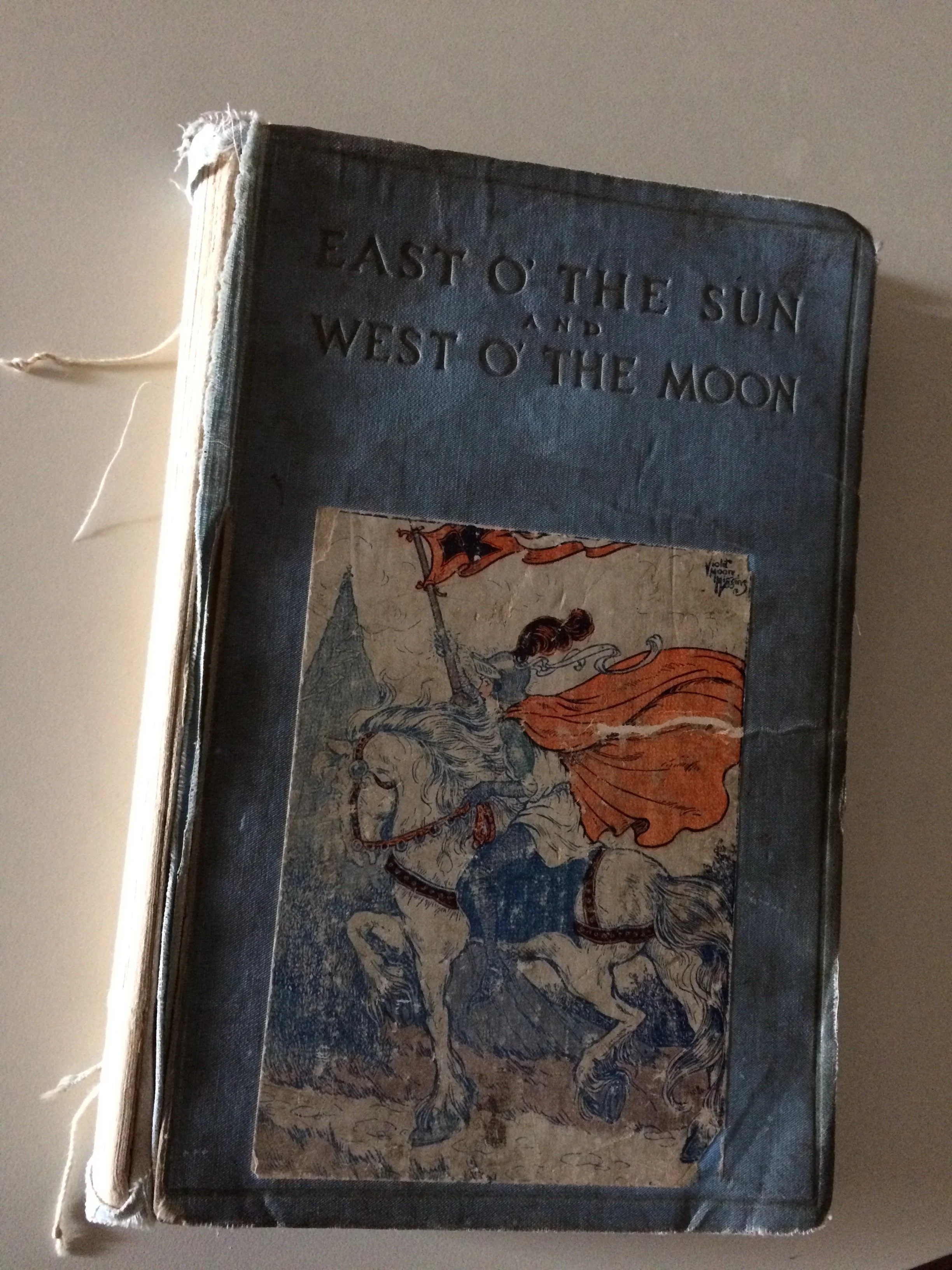
Here I would like to say a little more about what prompted me to have illustrations in the book. The reason flashes back to my childhood.
The seminar invites the fictional characters to find resonances between the themes and issues of Handel’s day and those we face today.
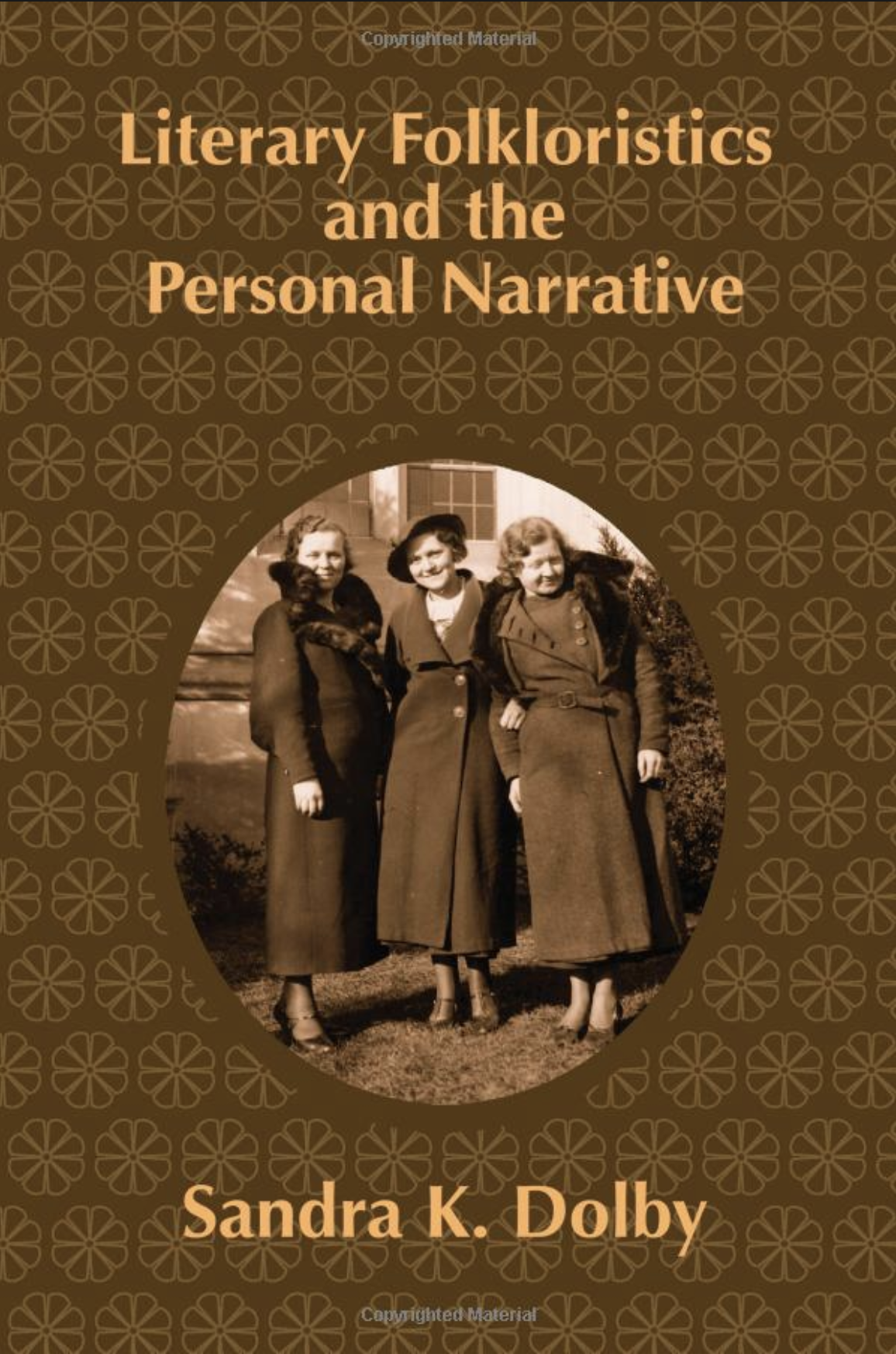
In the “Preface” to The Handel Letters, I cited the field of folklore research for its role in guiding my way of living a life of learning, teaching, and writing. But why exactly would a folklorist choose to study Handel and write a ‘biographical conversation” based on his life? I suspect that those who have studied folklore will be less mystified by this question than those who have not. The great appeal of the field of folklore study is that you really can study just about anything you want and consider it a part of the discipline.
Handel Blog 1
So, let me start with what I consider one of the most relevant or timely lines in The Handel Letters—a reference to the Plague in one of Ross’s introductory comments. Ross warned us that he was “likely to ruminate on Handel’s views on death and suffering.”
Handel Blog 2
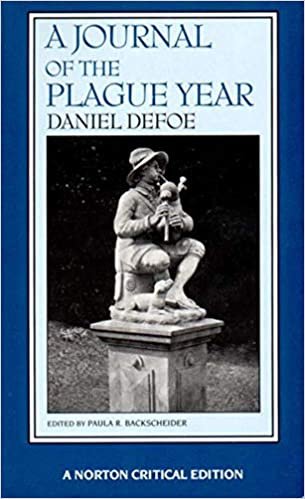
They threw him in a grave along with many actually dead people. Augustin revived, found himself unable to get out of the deep grave, and started playing his bagpipe (which they had thrown in with him). Passersby heard him and pulled him out of the grave. He survived and wrote the song. That’s the story, as I remember it.
Handel Blog 3
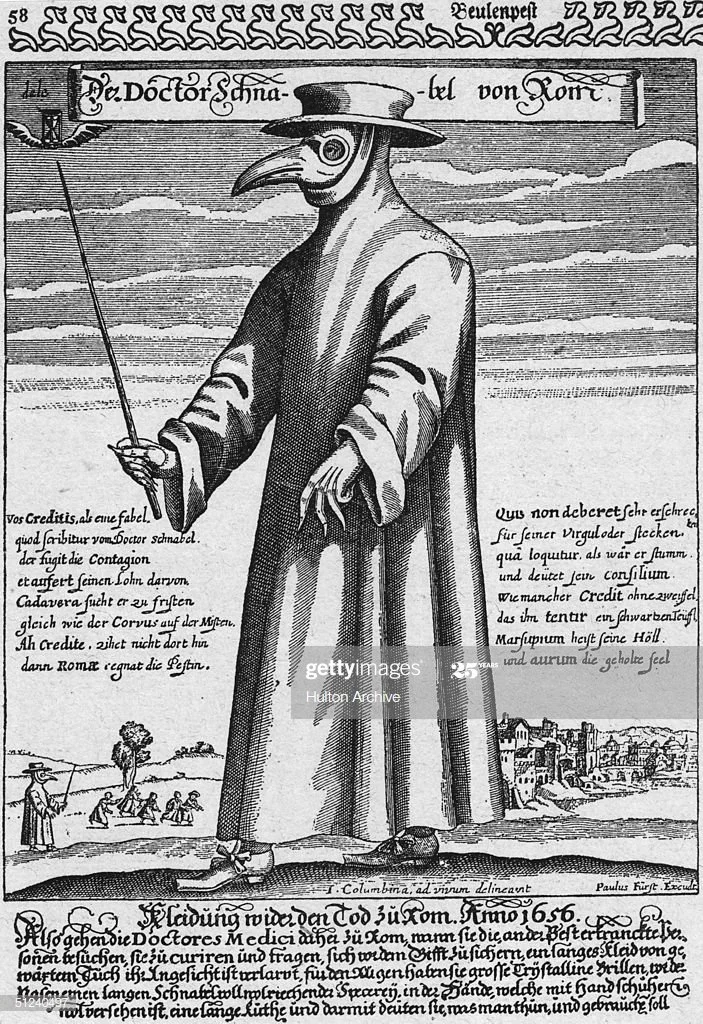
I wanted to bring together comments some of you have made about masks—the surgical masks now in such demand in so many public contexts. I’ve seen several articles commenting on the beak-like “doctors’ masks” that were seen as a symbol of the Plague in the early 1700s.
Handel Blog 4
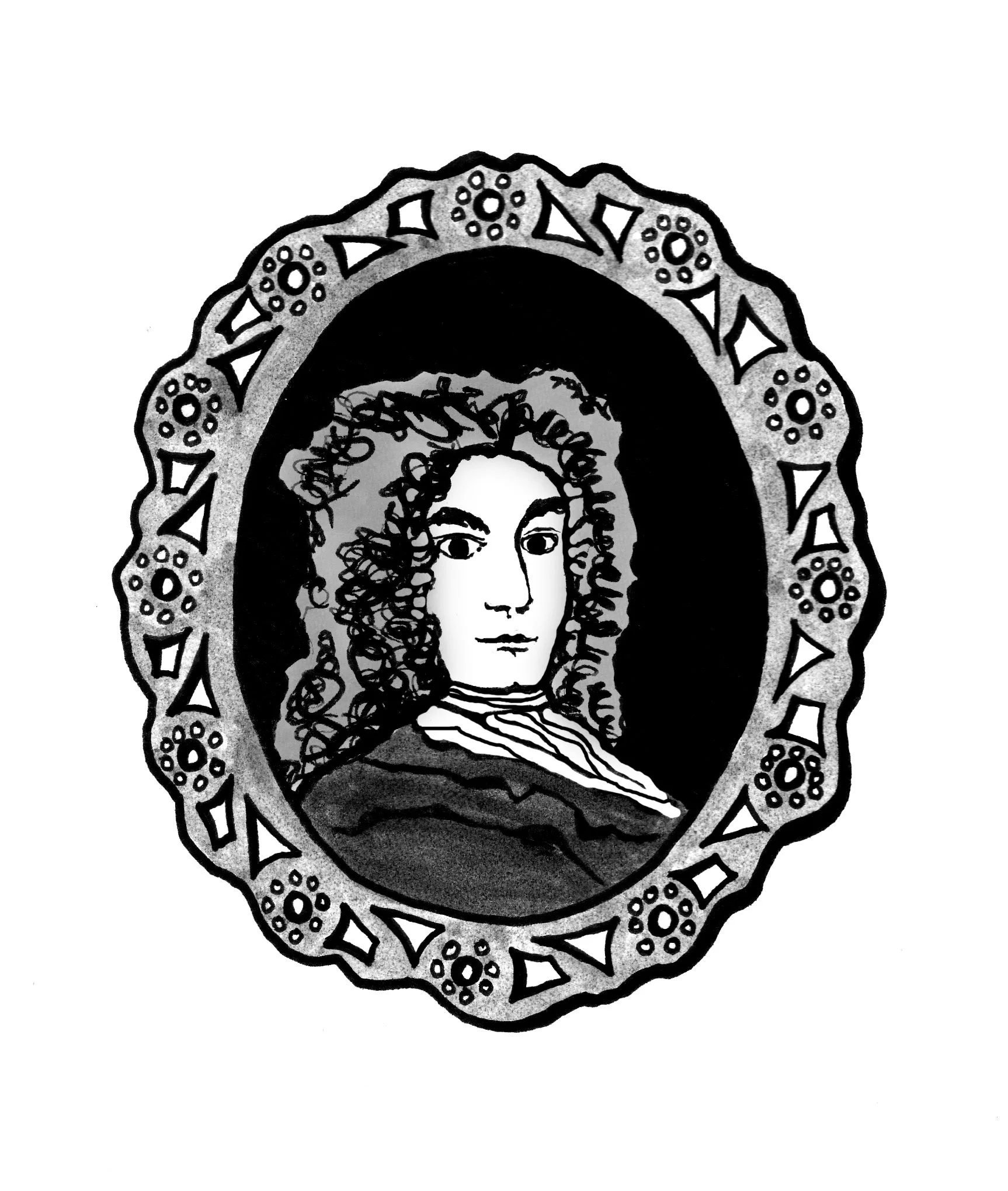
“And I, my friend, will always treasure the lovely miniature portrait I have of you as a very young man. It is one of my dearest possessions. Edward and I were so honored to be gifted with this reminder of our youthful friendship. I am sure your relatives in Saxony were pleased with the portraits you carried to them as well.”
Handel Blog 5
The practice of quarantining people who have a contagious illness and requiring people who are well to isolate themselves is one that became common as the Plague swept through parts of Europe in the mid-1600s, shortly before Handel was born in 1685. It did help in bringing an end to the spread of the Plague, though that disease was quite different from the current COVID-19. One of Handel’s most famous arias voiced a longing for freedom—“Lascia ch’io pianga.” Or, as the opening words translate: “Let me weep over my cruel fate and sigh for freedom.”
Handel Blog 6
How did people get accurate news stories in Handel’s day? Journals, letters, and newspapers were a lot slower than today’s television, Internet, and other media. Notwithstanding their slowness, were eighteenth-century sources more accurate? Could you trust them?
Handel Blog 7
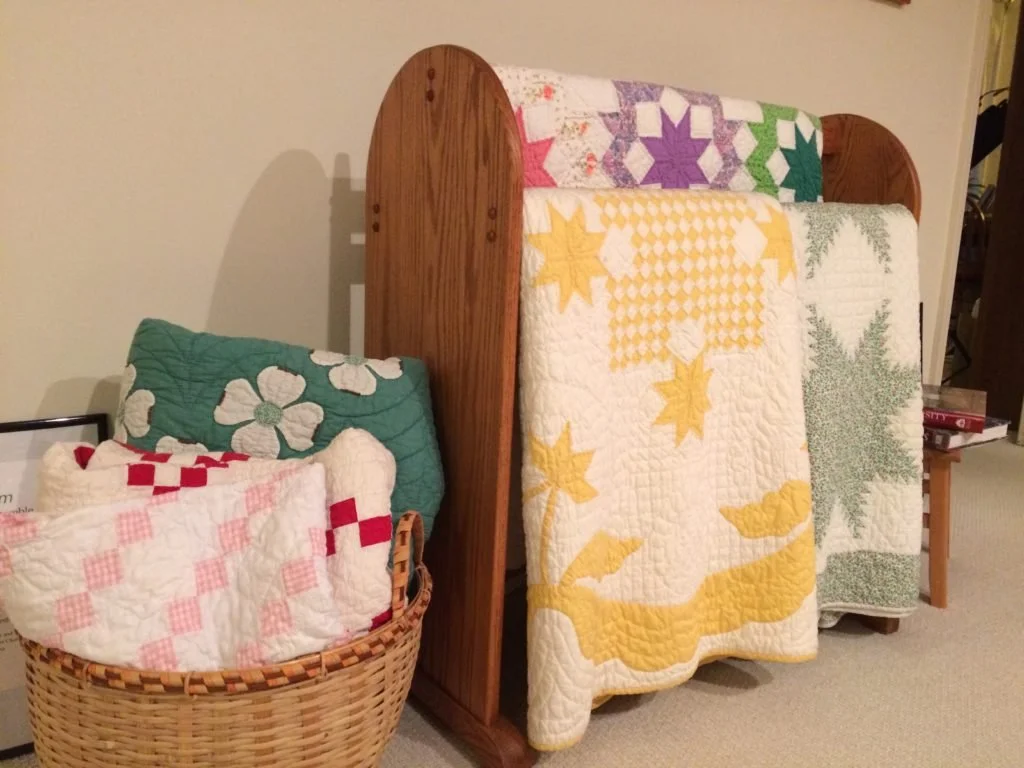
“Along with a few other women here in our Upper Brook Street neighborhood, I have started a sewing circle. We call ourselves grands-mères sans petits-enfants. We make blankets and clothing for some of the same children your Fund supports.” (p. 346) I expect some of those blankets were actually domestic patchwork quilts of the sort that were just becoming popular in both Britain and the American colonies.
Handel Blog 8
Angela told me of the death of the songwriter John Prine. I do remember one song of his that always made me just sob every time I heard it—Hello in There. As I have become more and more isolated—both because of my fading vision and especially from the social distancing to combat this coronavirus, the message of that song has haunted me.
Handel Blog 9
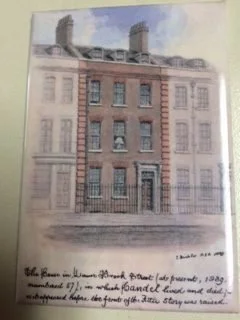
Brook Street was, of course, Handel’s home, and he frequently held rehearsals in his music room rather than at the concert halls where the public performances would occur.
Handel Blog 10
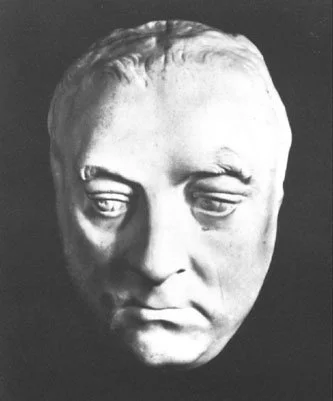
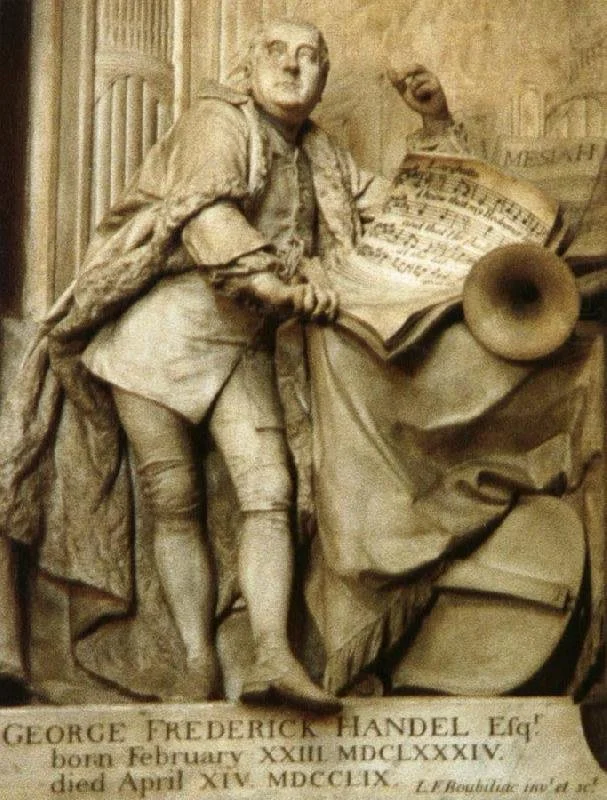
Some biographers claim that a “death mask” was cast of his face and that this mask was used as a model in creating the monument erected in his honor at Westminster Abbey. Others dispute this claim, saying it was instead a “life mask,” one created while he was still alive.
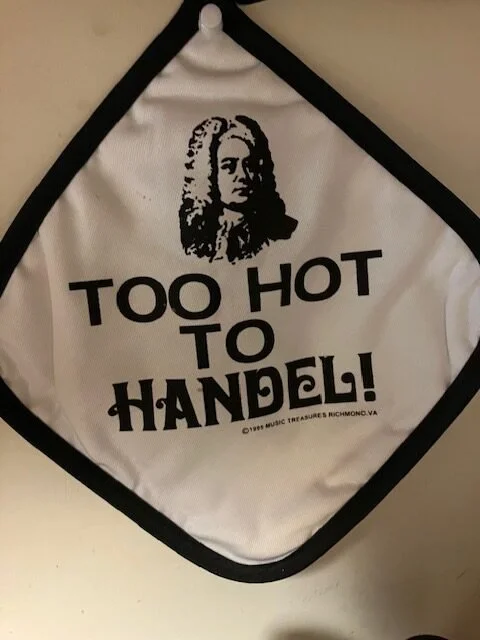
The hot pad offers a picture of Handel in his long white wig. I’ve always assumed the wig was too hot to wear, but that’s another story.
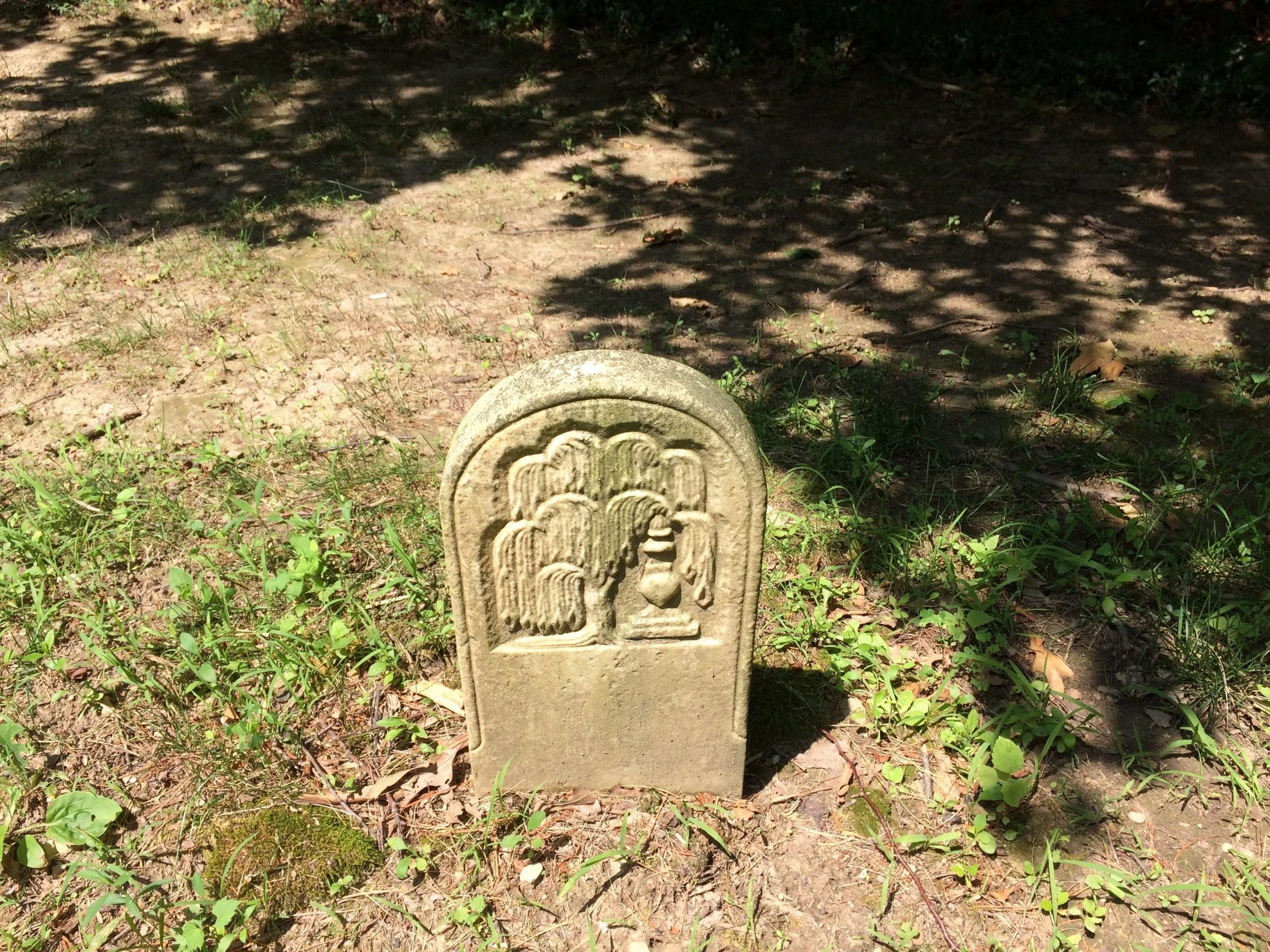
Handel was one of the first to have a hit song celebrating a tree—his “Ombra mia fù.”
Remember me when I am gone away
Gone far away into the silent land
When you can no more hold me by the hand.
~Christina Rossetti
Handel was unusual in having had a wonderful statue made of him well before his dying day.